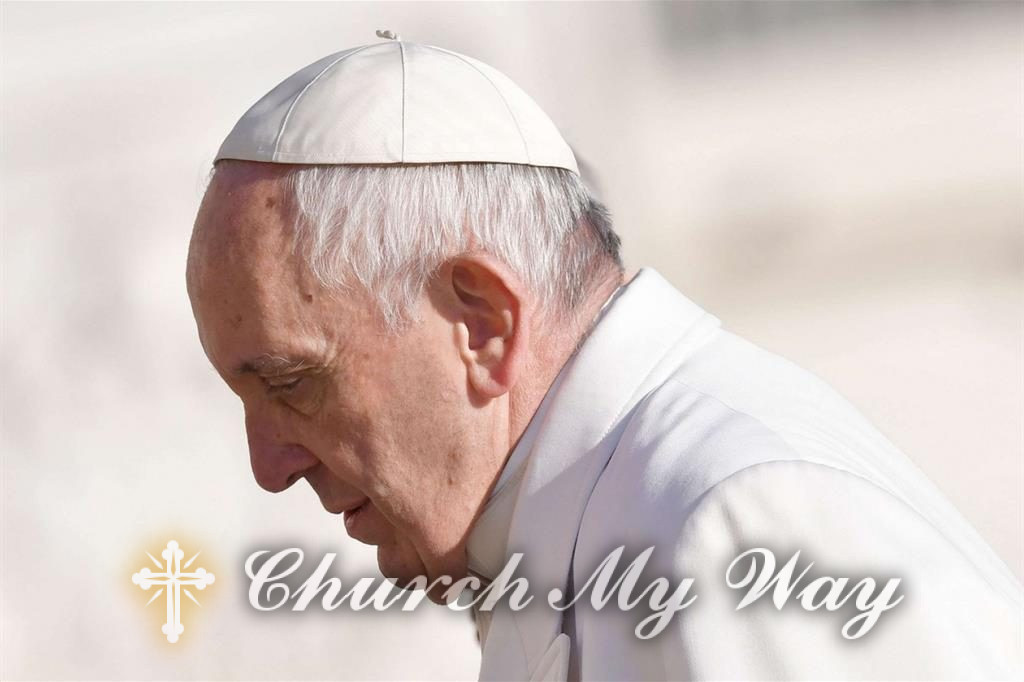
How is Francesco? Lungs, colon, knees: all the pope’s health problems
How is Francesco? The pontiff is 84 years old and has all the ailments of a man of his age. However, overall his health picture is satisfactory: it should not be forgotten that the pontiff is followed by a medical team made up of great professionals and that, if necessary, hospitalization is arranged.

How is the Pope? How can an 84-year-old man be who leads a busy and stressful life? Overall, his health picture is satisfactory: it should not be forgotten that the pontiff is followed daily by a medical team made up of the best professionals in Rome. We are speaking, however, of a man who since he was twenty-one has lived without a piece of lung, he’s right, which was removed in Buenos Aires due to the presence of malignant cysts. An impairment that has not prevented him from living normally in all these years, even if it has not allowed him to realize his youthful dream, that of becoming a missionary. History (and, for those who believe, the Holy Spirit) had reserved for him, however, a completely different path.
Already a few months after his election, rumors of Pope Francis’ imminent resignation for health reasons were running around in the Vatican, in the wake of what Benedict XVI already did in 2013. After eight years and an increase in ailments, the pontiff, however, continues to reign over Christianity. The latest rumors of his resignation came last July when the Pope was admitted to the Roman hospital Gemelli for surgery due to symptomatic diverticular stenosis of the colon. It was the second surgery under general anesthesia in Bergoglio’s life, after the one over sixty years ago in Argentina. An operation that, then, could have been avoided if only the Pope’s lung disease had been treated in time with simple antibiotics.
A few days ago it was Francis himself who denied the rumors about his abandonment, which, in his words, “never crossed his mind”. The Pope clarified that certain rumors often arrive late and he was amazed that new ones had circulated after his surgery. If Francis left, among other things, it would be the first time in over two millennia of the history of the Catholic Church that two resigning popes live together. An eventuality that the Pope does not intend to implement.
Not just colon and lung problems for the pontiff, anyway. Jorge Mario Bergoglio also suffers from sciatica and knee pain. This is the reason why he rarely kneels before the Blessed Sacrament, which has attracted him many times the arrows of traditionalist Catholics, who are always ready to cry scandal in front of the behavior of a Pope considered by them to be too progressive. . In 2019, then, the Pope had to undergo cataract surgery: a routine operation for many elderly people, but which nevertheless did, once again, discuss the overall state of health of the Pope.
Beyond the Headlines: Managing Health in Advanced Age
While the Pope’s specific conditions are unique, his situation highlights universal challenges and strategies for maintaining health and vitality in one’s eighties. Modern geriatric medicine emphasizes a holistic approach that goes beyond treating individual ailments, focusing on preserving function, managing chronic conditions, and optimizing quality of life. For public figures like Pope Francis, this management occurs under the global spotlight, but the underlying principles are applicable to many seniors navigating similar health landscapes.
Expert Insights on Post-Surgical and Chronic Care
Medical experts note that successful aging, especially after significant procedures like colon surgery, hinges on a meticulously coordinated care plan. “The key for any patient, but especially an octogenarian, is integrated rehabilitation,” explains Dr. Elena Rossi, a Rome-based geriatrician. “After a major abdominal surgery, core strength and pulmonary function are priorities. This is doubly important for someone with a pre-existing lung condition.” This involves tailored physiotherapy that respects the body’s healing timeline while preventing deconditioning. Furthermore, nutrition becomes a critical pillar of recovery, with a focus on protein and micronutrients to support tissue repair and immune function, while also managing the digestive sensitivities common after colon surgery.
Common Misconceptions About Aging and Capacity
A prevalent mistake is equating the presence of multiple health issues with an inevitable decline in cognitive or leadership capacity. The Pope’s sustained schedule, despite his physical ailments, challenges this stereotype. Gerontologists warn against “diagnostic overshadowing,” where every new symptom is attributed to old age or an existing condition, potentially missing treatable problems. Another common error is underestimating the role of pain management in maintaining mobility. Chronic knee pain, for instance, can lead to a sedentary lifestyle, which in turn exacerbates other systemic issues. The decision to use a wheelchair for longer events, as the Pope has done, is not a sign of surrender but a pragmatic assistive strategy to conserve energy and reduce pain, enabling continued participation in essential activities.
Interesting Facts: The Papal Health Infrastructure
The care of a pope involves a fascinating and unique medical infrastructure. The Vatican has its own medical service, but it relies heavily on Rome’s civilian hospitals, most notably the Agostino Gemelli University Polyclinic, which is informally known as “the Pope’s hospital.” Gemelli maintains a reserved suite on the tenth floor, sometimes called the “Papal Floor,” used for pontiffs since John Paul II. Furthermore, the Pope’s personal physician is traditionally a specialist chosen from outside the Vatican’s ranks, often bringing expertise in a relevant field. This setup ensures access to top-tier, secular medical expertise while maintaining the necessary privacy and security. The continuity of care across decades and papacies at Gemelli has created an unparalleled institutional memory for treating the specific stresses of the papal office.
Practical Takeaways for Long-Term Health Maintenance
Observing public figures like Pope Francis can offer practical, albeit high-level, lessons for health maintenance in later years:
- Routine is Paramount: Adhering to a structured daily routine, even when traveling, helps regulate sleep, medication, and dietary needs, providing stability amidst stress.
- Delegate and Conserve Energy: The strategic delegation of less critical tasks is not a weakness but a necessary tool for prioritizing energy for essential duties and recovery.
- Mental and Spiritual Resilience: A strong sense of purpose and a robust support community are consistently linked to better health outcomes and recovery rates in geriatric medicine.
- Transparency on One’s Own Terms: Managing public disclosure of health details is a balancing act—providing enough information to quell speculation while maintaining personal privacy and dignity.
Ultimately, the Pope’s health journey underscores a modern reality: advanced age often involves managing multiple chronic conditions simultaneously. The goal is not the absence of disease, but the effective management of it, allowing for a life of continued engagement and purpose, supported by a dedicated team and evidence-based medical care.
📅 Last updated: 20.12.2025
❓ Frequently Asked Questions
💬 What health problems does Pope Francis have?
Pope Francis has several age-related ailments, including chronic knee issues and a history of lung problems. Part of his right lung was removed when he was 21 due to malignant cysts, but this has not prevented him from living a normal life.
💬 Is Pope Francis in good health overall?
Despite his age and specific ailments, his overall health picture is considered satisfactory. He is closely followed by a top medical team in Rome, which manages his care and arranges hospitalization when necessary.
💬 Has Pope Francis resigned due to health issues?
No, Pope Francis has not resigned despite recurring rumors and increased ailments. Speculation about his resignation has circulated since early in his papacy, but he continues to lead the Catholic Church.
