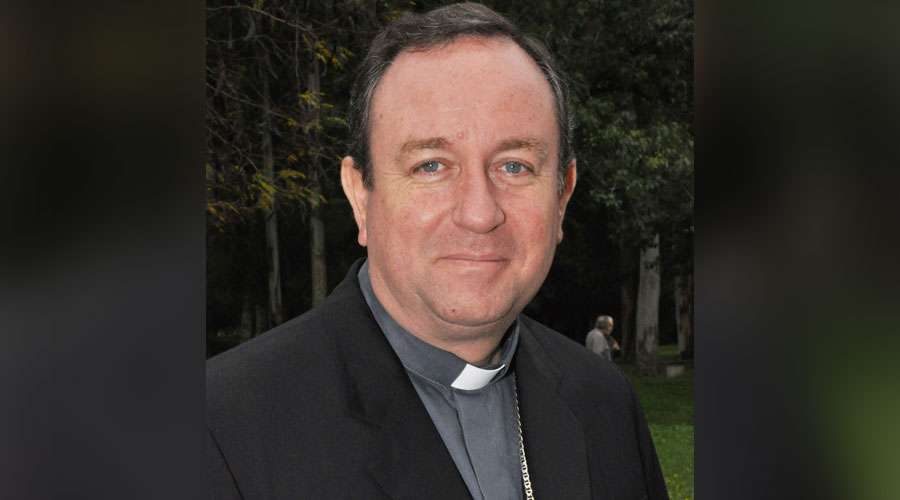
Vatican, international arrest order for bishop Gustavo Zanchetta: accused of abuse
The judiciary in Argentina issued an international arrest warrant against Bishop Gustavo Zanchetta, accused of the crime of simple and continued sexual abuse against two seminarians, aggravated by the fact that he was committed by a minister of worship. In 2017 Zanchetta was called to the Vatican by Bergoglio.
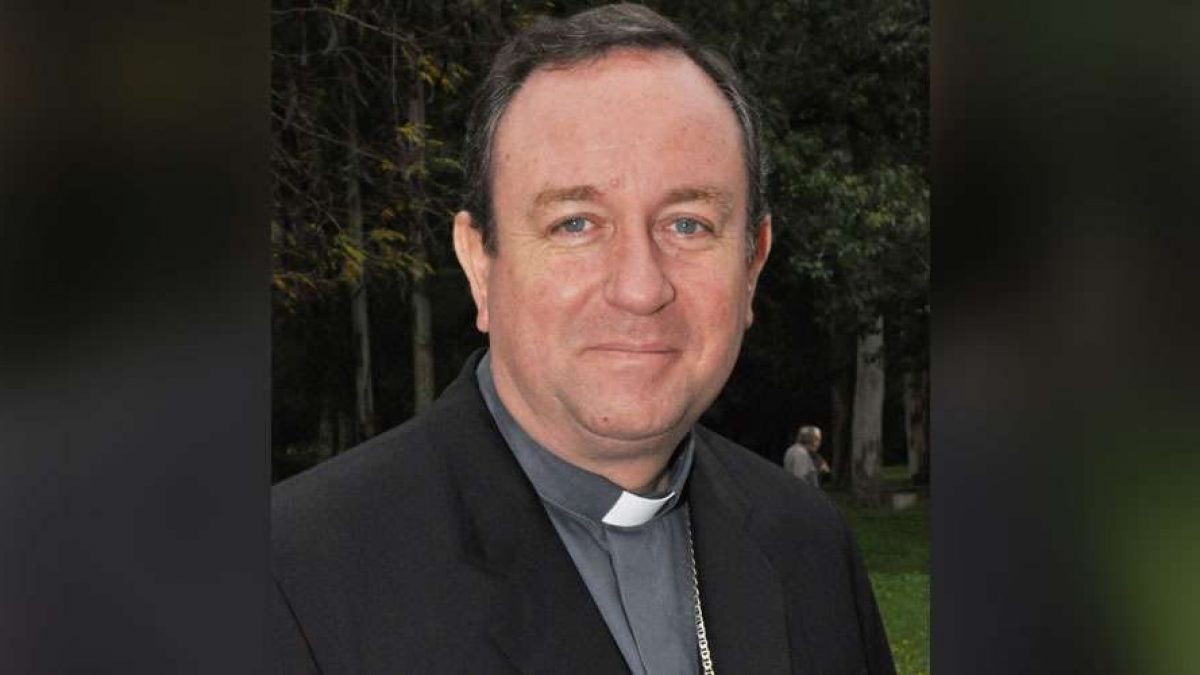
The magistracy of Salta, Argentina, issued an international arrest warrant against the Argentine bishop Gustavo Zanchetta, domiciled in the Vatican. The religious, fifty-four years old, is accused of the crime of simple and continued sexual abuse of two seminarians, aggravated by the fact that it was committed by a minister of worship. The crimes Zanchetta is accused of were already known and the news from Argentina of the request for arrest comes while Pope Francis is not in the Vatican, but on a trip to Thailand. The prosecutor María Soledad Filtrín decided to issue the mandate to the bishop considered close to Pope Francis, after the same did not respond to repeated phone calls and emails sent to him to proceed with the notification of the procedural documents and after his decision to establish his domicile in the Vatican State.
In 2017 Monsignor Zanchetta was recalled to Rome by the Pope – Gustavo Zanchetta resigned from the diocese of Oran, in northern Argentina, in July 2017 and subsequently he had been called to the Vatican by the Pope who appointed him councilor of Apsa (Administration of the Patrimony of the Apostolic See). Last June, the prosecutor of the Argentine province of Salta, Monica Viazzi, accused the bishop of “continuing aggravated sexual abuse”. For the first time, the indictment was formalized in a court.
Pope authorized bishop trial in Vatican – Bergoglio himself commented on the affair in recent months, revealing in an interview with Mexican TV Televisa that Zanchetta is on trial in the Vatican for the same charges for which he was also targeted in his country of origin. “About fifteen days ago the preliminary investigation officially arrived. I read it, and saw that it was necessary to go through a trial. So I passed it to the Congregation for the Doctrine of the Faith – the Pontiff said in the interview -, they are in the process. “The Argentine bishop is accused of having sexually assaulted two seminarians while he was diocesan ordinary and therefore before leaving office and being transferred to the Vatican to the office that administers the patrimony of the Holy See.
Navigating the Legal and Ecclesiastical Maze
The case of Bishop Gustavo Zanchetta underscores the complex, often frustrating, interplay between international law and the Vatican's internal judicial processes. For observers and victims alike, understanding this duality is critical. The issuance of an international arrest warrant by Argentine authorities is a powerful tool, but its efficacy is hamstrung by the Vatican's status as a sovereign city-state with no formal extradition treaty with Argentina. This creates a legal limbo where Zanchetta can potentially remain within the Vatican's walls, shielded from secular prosecution, while facing a separate canonical trial. This scenario is not unique and highlights a common mistake in public perception: assuming that an arrest warrant guarantees immediate apprehension. In cases involving state sovereignty, political and diplomatic channels often become as important as the legal ones.
Expert Insights on Canonical vs. Civil Justice
Legal and ecclesiastical experts point out that the parallel proceedings—one in Argentina and one in the Vatican—serve different masters. "The canonical trial's primary aim is to determine his status within the Church, potentially leading to laicization (defrocking)," explains Dr. Elena Ricci, a scholar of canon law. "The civil trial in Argentina seeks criminal punishment, such as imprisonment. They are complementary in goal but operate in entirely separate spheres." This separation often leads to confusion and public dismay, as the timelines and outcomes are rarely synchronized. A practical tip for journalists and advocates tracking such cases is to monitor both dockets independently: the Vatican's tribunal announcements and the filings in the relevant secular court, understanding that evidence may be shared but procedures are distinct.
Furthermore, Zanchetta's 2017 appointment to a managerial role within APSA, the Vatican's powerful asset-management office, remains a focal point of scrutiny. This move, occurring after his initial resignation from Oran amid "health reasons" and prior to the public emergence of abuse allegations, is often cited as a misstep in crisis management. From an institutional perspective, it reflects a common mistake of insulating figures within the central administration before a full, independent investigation is concluded. Expert advice from governance consultants suggests that individuals under any cloud of allegation should be placed in a strictly monitored, non-executive role pending investigation, to avoid any perception of protectionism or conflict of interest.
The Broader Context: A Shift in Vatican Protocol?
An interesting fact is that Pope Francis's authorization of a Vatican trial for Zanchetta, confirmed in his interview, aligns with a newer, though inconsistently applied, protocol. Since the 2019 publication of Vos Estis Lux Mundi, a landmark motu proprio, bishops and religious superiors can be more readily investigated and tried for abuses of office, including covering up abuse. While Zanchetta is directly accused of perpetrating abuse, the framework represents a shifting, if gradual, institutional attitude. However, the Zanchetta case predates these reforms, demonstrating the ad-hoc nature that has long characterized the Church's response.
Ultimately, the international arrest warrant serves as a potent symbol of secular justice pressing at the gates of the world's smallest state. It increases diplomatic pressure and public attention, potentially influencing the pace and transparency of the internal canonical process. For survivors and reform advocates, the practical tip is to leverage this dual-track system by ensuring that evidence and testimonies are formally presented in both jurisdictions, thereby closing off avenues for procedural dismissal in either. The Zanchetta saga, therefore, becomes a case study in the painful, protracted journey toward accountability when jurisdiction is contested and institutional legacy weighs heavily on the scales of justice.
📅 Last updated: 25.12.2025
❓ Frequently Asked Questions
💬 What is Bishop Gustavo Zanchetta accused of?
He is accused of simple and continued sexual abuse against two seminarians in Argentina. The charges are aggravated because he is alleged to have committed the crimes as a minister of worship.
💬 Why was an international arrest warrant issued for Gustavo Zanchetta?
Argentine prosecutors issued the warrant after Zanchetta did not respond to calls and emails to notify him of legal documents and because he established his domicile in Vatican City. This made him unavailable to the Argentine judiciary.
💬 What is Gustavo Zanchetta's connection to Pope Francis?
Pope Francis called Zanchetta to the Vatican in 2017 after he resigned from his diocese in Argentina. The Pope then appointed him to a role in the Vatican's financial administration, known as APSA.
This post is also available in:
 Español (Spanish)
