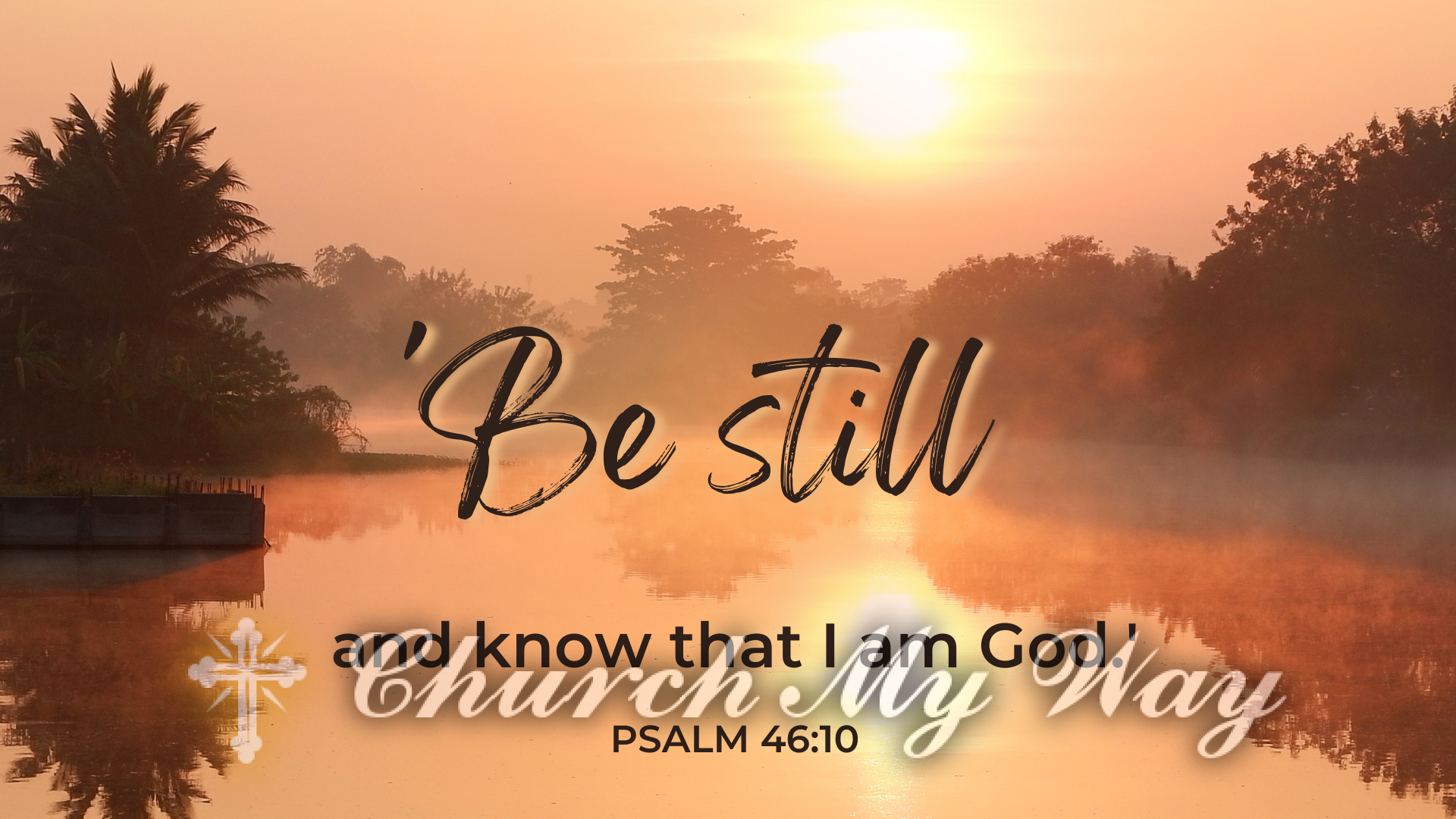
“Be Still and Know That I Am God”: Unraveling the Profound Message of Faith and Serenity
During the chaotic moments of life, the verse “Be still and know that I am God” (Psalm 46:10) can bring a sense of calm. However, what does it really mean to be still and recognize the presence of a higher power? Let’s explore the significance of this verse and its deep implications..
Historical Context and Theological Interpretations
The verse hails from Psalm 46, a testament to God’s power and unwavering protection. The psalmist paints a picture of God as a refuge and strength, a very present help in trouble. The phrase “Be still and know that I am God” is a reminder of God’s omnipotence, a call to cease striving and surrender to the divine will.
Theologians interpret “be still” not as a gentle suggestion, but as a command to “stop fighting”. This interpretation is particularly poignant in times of trouble and war, serving as a wake-up call to be in awe of God.
Different translations of the Bible offer various interpretations of this verse. For instance, the New American Standard Bible translates the phrase as “Cease striving and know that I am God,” while The Message paraphrases it as “Step out of the traffic! Take a long, loving look at me, your High God.” Each translation offers a unique perspective, enriching our understanding of this profound verse.

Practical Applications in Daily Life
How can we apply this verse in our daily lives? Here are some actionable takeaways:
- Mindful Meditation: Use the verse as a mantra during meditation. As you repeat “Be still and know that I am God”, let go of your worries and surrender to the divine presence.
- Prayer: Incorporate the verse into your prayers. It can serve as a powerful reminder of God’s omnipotence and your surrender to His will.
- Reflection: Reflect on the verse in times of trouble. It can provide comfort and reassurance, reminding you of God’s unwavering protection.
- Scripture Study: Study the verse in the context of the entire Psalm 46. Understanding the broader context can deepen your appreciation of this verse.
- Community Discussion: Share and discuss the verse with your faith community. Different perspectives can enrich your understanding and application of this verse.

Deeper Dive into Psalm 46
Psalm 46 is a song of Zion that celebrates God’s protection of His city and people. It opens with a powerful declaration of God as our refuge and strength, an ever-present help in trouble. This sets the tone for the rest of the psalm, which describes natural disasters and nations in uproar, yet God’s voice thunders and the earth melts.
The psalm then presents a stark contrast: the city of God, where streams make glad the people of the Most High. God is within her, and she will not fall. This imagery of peace and stability starkly contrasts with the chaos described earlier, underscoring the peace that comes from trusting in God.
The psalm concludes with the verse we’ve been exploring, “Be still and know that I am God.” In the context of the entire psalm, this verse serves as a powerful climax, a call to acknowledge God’s power and surrender to His will.

FAQs
- What is the historical context of Psalm 46:10? The psalm was written during a time of war and turmoil. The command to “be still” was a call to cease fighting and acknowledge God’s omnipotence.
- How can I incorporate the verse into my daily life? You can use the verse as a mantra during meditation, incorporate it into your prayers, or reflect on it in times of trouble.
- What does it mean to “know that I am God”? This phrase is a reminder of God’s omnipotence. It calls us to acknowledge His power and surrender to His will.
- How is the verse interpreted in different denominations? Interpretations may vary, but the common thread is the recognition of God’s omnipotence and the call to surrender to His will.
- Why is the verse often associated with tranquility? Despite its historical context of war, the verse is often associated with tranquility because it calls us to cease striving and surrender to the divine presence.
References
- Psalm 46:10 – Bible Gateway
- Psalm 46 – Wikipedia
- Theological Interpretations of Psalm 46:10
- Practical Applications of Bible Verses
Remember, the journey to understanding scripture is a personal one. As you reflect on the verse “Be still and know that I am God”, may you find peace and tranquility amidst the chaos of life.
Beyond Quiet Moments: Integrating Stillness into a Modern Life
While meditation and prayer are foundational, the command to “be still” extends into the active rhythms of our day. It is less about physical immobility and more about an inner posture of the heart—a conscious decision to halt the internal chatter of anxiety, planning, and control. This sacred stillness can be accessed even amidst daily responsibilities, transforming mundane tasks into opportunities for awareness of the divine.
Common Mistakes and Expert Insights
A frequent misconception is viewing stillness as a passive state of inaction or disengagement. Spiritual directors, however, emphasize it as an active receptivity. As theologian Richard Foster notes, it is about creating space for God to work, rather than demanding solutions on our timeline. A common mistake is forcing the mind blank, which often leads to frustration. Instead, experts advise gently returning your focus to a simple anchor, like your breath or the verse itself, whenever distractions arise. The goal is not perfection, but practice.
An interesting linguistic fact deepens this understanding: the Hebrew word translated as “be still” (“raphah”) carries connotations of letting go, slackening, and even dropping your hands. This implies a release of our grip—on situations, outcomes, and our need to self-defend. It is a surrender of the fight, both internally and externally.
Practical Tips for Cultivating a Still Heart
To move beyond a theoretical concept, consider these integrative practices:
- The Pause Principle: Before responding to a stressful email or conversation, institute a mandatory 60-second pause. In that moment, silently recall the phrase, “Be still,” to recenter your spirit.
- Ambient Anchors: Choose a common sight—a tree outside your window, a specific door you pass through—as a “stillness trigger.” Let each glance be a micro-moment of release and recognition.
- Gratitude as Grounding: When chaos swirls, verbally list three simple, concrete things you are grateful for. This act of thanksgiving immediately shifts focus from what you cannot control to the enduring presence of God in the details.
Ultimately, this verse invites us into a transformative trust. It is the practice of quieting the empire of the self to hear the whisper of the sovereign, discovering that true strength is found not in our frantic efforts, but in our acknowledged dependence.
📅 Last updated: 21.12.2025
❓ Frequently Asked Questions
💬 What does “Be still and know that I am God” mean?
It is a command from Psalm 46:10 to stop striving, surrender control, and acknowledge God’s supreme power and presence. The phrase encourages letting go of anxiety to consciously recognize divine sovereignty, especially in times of trouble.
💬 How can I apply “Be still and know that I am God” in my daily life?
You can apply it by intentionally pausing from daily chaos to practice mindful meditation or prayer, focusing on God’s character. It involves consciously releasing worries and choosing to trust in a higher power rather than relying solely on your own efforts.
💬 What is the context of Psalm 46:10 “Be still and know that I am God”?
The verse is set within Psalm 46, which describes God as an unshakable refuge and strength during turmoil, even alluding to times of war. The command “Be still” is directed at people to cease their fighting and fear, and to stand in awe of God’s protecting power.
