📅 Last updated: 03.09.2026
If you are searching for a Bible healing guide that moves beyond simplistic formulas and dives into the rich, complex, and hope-filled reality of Scripture, you have come to the right place. Healing is one of the most profound and personal topics in the Christian faith, touching on our deepest vulnerabilities and our greatest hopes. Whether you are currently walking through a season of illness, praying for a loved one, or simply trying to understand what the Bible truly teaches, it is essential to ground our understanding in the whole counsel of God’s Word rather than in isolated verses or popular anecdotes.
- Healing in the Old Testament: The Covenant God Who Restores
- Jesus Christ: The Great Physician and the Kingdom Breaking In
- Healing in the Early Church: A Continuing Ministry
- Understanding the Purpose of Suffering and Divine Sovereignty
- Medicine, Prayer, and the Role of the Community
- Faith, Hope, and the Persistent Prayer for Healing
- Living in the Tension of the Now and the Not Yet
- Embracing Wholeness: A Holistic View for Today
- A Final Word: Hope That Endures
The topic of healing often raises as many questions as it does answers. Why do some people experience miraculous recoveries while others do not? Is healing always God’s will? What role do medicine, prayer, and community play in the process? These are not new questions; they have been asked by believers for millennia. As we embark on this exploration, let us approach the Scriptures with humility, recognizing that God’s ways are higher than our ways, yet confident that He is good, loving, and intimately concerned with our well-being.
Healing in the Old Testament: The Covenant God Who Restores
To understand the New Testament’s teaching on healing, we must first look at the foundation laid in the Old Testament. Here, we see that healing is not merely a New Testament phenomenon but is woven into the very character of God as revealed to Israel. God introduces Himself as Yahweh Rapha, “the Lord who heals you,” in a pivotal moment following the Exodus.
In Exodus 15:26, immediately after the bitter waters of Marah are made sweet, God makes a conditional promise to His people: “If you diligently listen to the voice of the Lord your God, and do what is right in His eyes, and give ear to His commandments and keep all His statutes, I will put none of the diseases on you that I put on the Egyptians, for I am the Lord, your healer.” This verse establishes a profound link between obedience, covenant relationship, and physical well-being. It reveals that God’s desire for His people is wholeness, not sickness.
The Psalms: Lament as a Path to Healing
The Psalms give us a raw and honest language for suffering. They do not shy away from the reality of pain, but they consistently direct our gaze back to God as the ultimate source of restoration. Psalm 103:2-3 offers a beautiful doxology: “Bless the Lord, O my soul, and forget not all his benefits, who forgives all your iniquity, who heals all your diseases.” This verse poetically links forgiveness and healing, suggesting that God’s restorative work addresses the whole person—spirit, soul, and body.
However, the Psalmist also models a different kind of healing: the healing of lament. In Psalm 6:2, David cries out, “Be gracious to me, O Lord, for I am languishing; heal me, O Lord, for my bones are troubled.” Here, healing is not an immediate reality but a desperate plea. The Psalms teach us that it is biblically faithful to bring our pain, confusion, and unanswered prayers to God. Sometimes, the first step in our Bible healing guide is learning to lament honestly before the throne of grace, trusting that God hears our cries even when the answer is delayed.
The Prophets: Visions of Complete Shalom
The prophetic books expand our vision of healing from individual physical restoration to cosmic, national, and even ecological renewal. The Hebrew word for peace, shalom, implies far more than the absence of conflict; it means wholeness, completeness, and things being as they ought to be. The prophets looked forward to a day when this shalom would be fully realized.
Isaiah 53:5 is perhaps the most significant prophetic passage on healing, and it is quoted in the New Testament: “But he was pierced for our transgressions; he was crushed for our iniquities; upon him was the chastisement that brought us peace, and with his wounds we are healed.” While this verse primarily refers to spiritual healing from sin, the early church and many theologians have seen in it a comprehensive statement about Christ’s atoning work, which includes the ultimate eradication of all sickness and death. Furthermore, Jeremiah 30:17 provides a promise of restoration: “For I will restore health to you, and your wounds I will heal, declares the Lord.” These passages reveal God’s heart for restoration, a theme that reaches its fullest expression in the life and ministry of Jesus Christ.
Jesus Christ: The Great Physician and the Kingdom Breaking In
When we turn to the Gospels, we encounter the most concentrated display of healing power in all of Scripture. Jesus’ healing ministry was not an aside or a mere demonstration of power; it was central to His mission of proclaiming the Kingdom of God. In Matthew 4:23, we read a summary of His work: “And he went throughout all Galilee, teaching in their synagogues and proclaiming the gospel of the kingdom and healing every disease and every affliction among the people.”
For Jesus, healing was not separate from preaching; it was an integral part of it. Healing was the visible sign that the Kingdom of God had broken into human history. When the blind received sight, the lame walked, and the lepers were cleansed, it was tangible proof that the power of sin and death was being reversed. Jesus’ healings were not magic tricks; they were prophetic acts that demonstrated God’s will to restore His creation.
Compassion and Faith in Action
One of the most striking aspects of Jesus’ healing ministry is the compassion that motivated it. In Mark 1:40-42, a man with leprosy approaches Jesus with a desperate plea: “If you will, you can make me clean.” Moved with pity, Jesus stretches out His hand and touches him, saying, “I will; be clean.” This encounter is profound not only for the miraculous cleansing but for the fact that Jesus touched an untouchable. He was willing to become ceremonially unclean Himself to bring wholeness to the man. This reminds us that God’s healing power is always wrapped in His tender compassion.
Furthermore, Jesus often highlighted the role of faith in the healing process. He frequently said to those He healed, “Your faith has made you well” (Mark 5:34, Luke 17:19). This does not mean that healing is a reward for having enough faith, nor does it mean that sickness is a punishment for weak faith. Rather, it shows that faith is the posture of receptivity that allows us to receive what God is already offering. Faith is not a formula we perform; it is a trust that opens our hands to receive God’s grace, whether that grace comes as physical healing, supernatural peace, or sustaining strength.
Healing on the Sabbath: A Lesson in Priorities
Jesus’ healings often provoked controversy, particularly when performed on the Sabbath. In Luke 13:10-17, Jesus heals a woman who had been disabled for eighteen years. The ruler of the synagogue is indignant, but Jesus rebukes him, calling the woman a “daughter of Abraham” who deserved to be set free from her bondage on the Sabbath day. For Jesus, human need and compassion always took precedence over rigid religious rules. His actions teach us that our traditions and structures must never become barriers to people experiencing God’s healing love. The Kingdom of God is about liberation, not legalism.
Healing in the Early Church: A Continuing Ministry
The Book of Acts demonstrates that the healing ministry did not end with Jesus’ ascension. It was continued by His apostles and became a hallmark of the early Christian community. Acts 3:1-10 records the healing of a lame beggar at the temple gate called Beautiful. Peter, looking directly at the man, declares, “I have no silver and gold, but what I do have I give to you: In the name of Jesus Christ of Nazareth, rise up and walk!” The man not only walks but enters the temple courts “walking and leaping and praising God.” This healing was a powerful witness that the risen Christ was still active in the world.
The apostles understood that their power did not come from themselves but from the name and authority of Jesus. In Acts 4:30, the early church prayed, “Stretch out your hand to heal, and signs and wonders are performed through the name of your holy servant Jesus.” This prayer reveals their dependence on God’s sovereign action rather than on their own spiritual prowess.
The Gift of Healing in the Body of Christ
In 1 Corinthians 12, the Apostle Paul discusses spiritual gifts, listing “gifts of healing” as one of the manifestations of the Spirit given for the common good (1 Corinthians 12:9). This indicates that God has gifted certain individuals within the church with a special anointing to pray for and see people healed. However, Paul is careful to emphasize that these gifts are distributed by the Spirit “as He wills” (1 Corinthians 12:11). We cannot manufacture or demand these gifts, but we must remain open to how the Spirit chooses to work in and through us.
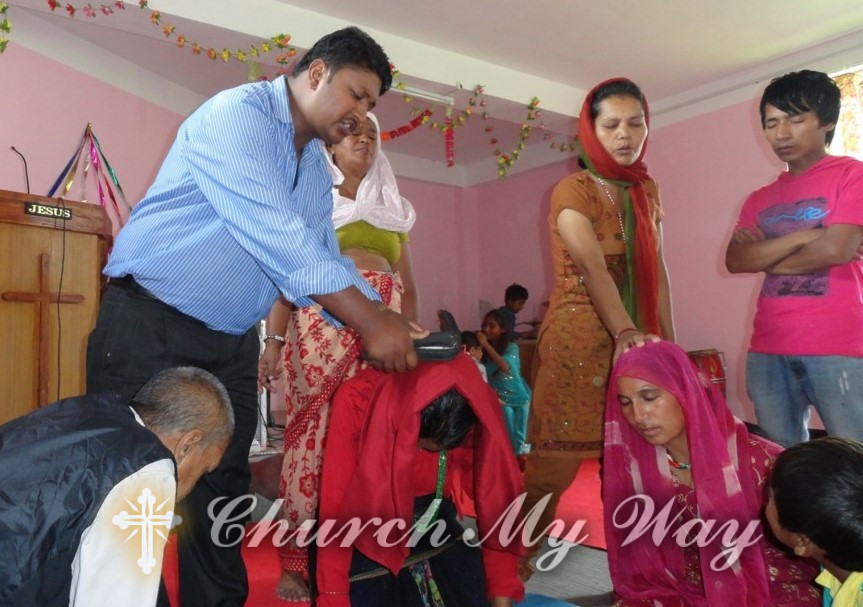
Healing was not limited to the apostles, nor was it confined to dramatic miracles. In James 5:14-15, we have clear instructions for the sick within the church community: “Is anyone among you sick? Let him call for the elders of the church, and let them pray over him, anointing him with oil in the name of the Lord. And the prayer of faith will save the one who is sick, and the Lord will raise him up.” This passage emphasizes the importance of community, the role of church leadership, and the use of physical elements like oil as symbols of God’s presence and healing power. This is a pivotal part of any Bible healing guide for practical Christian living.
Understanding the Purpose of Suffering and Divine Sovereignty
If healing is part of God’s will, why does suffering persist? This is the most challenging question for any believer. The New Testament does not offer a simple answer, but it provides profound perspective. We live in a fallen world, subject to decay and disease. The Bible never promises that believers will be exempt from physical trials in this present age. In fact, Jesus promised His followers they would have trouble in this world (John 16:33).
The Apostle Paul is a powerful example of this tension. He performed miracles and healed others, yet he himself was afflicted with what he called a “thorn in the flesh” (2 Corinthians 12:7). He pleaded with the Lord three times to remove it, but God’s answer was not physical healing. Instead, God said, “My grace is sufficient for you, for my power is made perfect in weakness” (2 Corinthians 12:9). Paul’s perspective was radically transformed as he realized that God’s sustaining grace was a more profound demonstration of His power than the removal of the trial. This teaches us that sometimes the greatest healing God performs is not in the body but in the soul, giving us peace and strength that surpasses understanding.
The Purpose of Pain in the Believer’s Life
While God does not cause evil or sickness, He is sovereign and can use even the most painful circumstances for our good and His glory. Romans 8:28 assures us that “for those who love God all things work together for good, for those who are called according to his purpose.” This does not mean everything is good, but that God can weave even tragedy into a tapestry of redemptive purpose. Suffering can produce perseverance, character, and hope (Romans 5:3-4). It can deepen our dependence on God, refine our faith, and make us more compassionate toward others who suffer.
We must be careful, however, not to fall into the trap of assigning a specific purpose to every illness. The Book of Job stands as an eternal rebuke to those who claim to know the precise reasons for another’s suffering. When Job’s friends offered neat theological explanations for his calamity, God rebuked them for not speaking what is right. Sometimes, the only answer we have is to trust the character of God even when we do not understand His ways. Job’s declaration, “Though he slay me, I will hope in him” (Job 13:15), is a profound act of faith that is honored by God.
Medicine, Prayer, and the Role of the Community
A common misconception is that seeking medical help indicates a lack of faith. This is not a biblical perspective. The Bible healing guide we find in Scripture encourages us to view God as the ultimate healer who often works through natural means, including physicians, medicine, and scientific knowledge. Luke, the beloved physician, was a companion of Paul and wrote two books of the New Testament. His presence in the early church demonstrates that medical knowledge and spiritual ministry are not in opposition but can work together in harmony.
God has given us wisdom to develop treatments, vaccines, and surgical techniques that alleviate suffering and save lives. To reject these gifts is to reject God’s common grace. We should pray for healing while simultaneously seeking the best medical care available. Prayer and medicine are not competitors; they are partners in the pursuit of wholeness. We ask God to guide the hands of surgeons, to give wisdom to doctors, and to bless the efficacy of treatments.
Supporting the Sick: A Call to Bearing Burdens
The Christian community plays an indispensable role in the healing journey. Galatians 6:2 instructs us to “bear one another’s burdens, and so fulfill the law of Christ.” When someone is sick, they often need more than just physical healing; they need emotional, spiritual, and practical support. The church is called to be a hospital for the broken, a place of refuge and support.
There are many practical ways we can walk alongside the sick:
- Presence: Simply being there, sitting in silence, or offering a listening ear can be a profound ministry. Job’s friends were most helpful when they sat with him in silence for seven days before they opened their mouths.
- Practical Help: Providing meals, running errands, helping with childcare, or assisting with household chores can lift a heavy burden from a family in crisis.
- Consistent Prayer: Committing to pray regularly for the sick person, not just in the initial shock of the diagnosis but over the long haul, is a powerful act of love.
- Words of Hope: Sharing Scripture verses about God’s faithfulness and character can be a lifeline, but we must be sensitive and avoid clichés or presumptuous declarations about God’s will.
The table below summarizes the different dimensions of healing as presented in Scripture, offering a holistic view that transcends mere physical cure:
| Dimension of Healing | Key Scripture Example | Primary Focus |
|---|---|---|
| Physical Restoration | Mark 2:1-12 (Healing of the Paralytic) | Curing bodily ailments and diseases. |
| Spiritual Forgiveness | Psalm 103:2-3 | Cleansing from sin and restoring fellowship with God. |
| Emotional & Psychological | Psalm 34:18 (Brokenhearted) | Mending the inner person, bringing peace and comfort. |
| Relational & Communal | James 5:16 (Confess and pray for each other) | Restoring broken relationships and reconciling conflicts within the body. |
| Ultimate & Eschatological | Revelation 21:4 (No more death or pain) | The final resurrection and complete restoration of all creation. |
Faith, Hope, and the Persistent Prayer for Healing
How then should we pray for the sick? Jesus gave us a model of boldness and persistence in prayer. In Luke 18:1-8, He tells the parable of the persistent widow to teach us that we “ought always to pray and not lose heart.” We are encouraged to come to God with our requests, laying them at His feet again and again, trusting that He hears us. This persistence is not about wearing God down but about cultivating a deep, abiding dependence on Him.
When we pray for healing, we can pray with confidence, knowing that God is able. We can ask for complete restoration, and we should not be shy in doing so. However, we must always pray with the humility of Jesus in the Garden of Gethsemane: “Not my will, but yours be done” (Luke 22:42). This is not a lack of faith; it is the highest form of faith, submitting to the perfect wisdom of a Father who loves us infinitely more than we can comprehend. This surrender opens the door for us to receive whatever God deems best, whether it is physical healing in this life or the ultimate healing of being in His presence for eternity.
What About When Healing Doesn’t Come?
This is the crucible of faith. When we have prayed fervently, fasted, and believed, yet the sickness remains or death occurs, we are faced with a profound mystery. It is in these moments that we must cling to the character of God more tightly than to our expectations. We must remember that God is good, even when life is not. We must trust that His grace is truly sufficient, even when we cannot feel it.
Many faithful believers have died from illness, including some of the most powerful men and women of God in history. The Apostle Paul, despite his great faith and apostolic power, eventually faced martyrdom. The writer of Hebrews reminds us of the heroes of faith who were tortured, mocked, and killed—”of whom the world was not worthy” (Hebrews 11:38). Their stories are not stories of failed faith; they are stories of triumphant faith that endured to the end. Their ultimate healing came not in the preservation of their earthly bodies but in their glorious entrance into the presence of Jesus, where there is no more sickness, pain, or death.
Living in the Tension of the Now and the Not Yet
We live in a time of tension between the “now” of the Kingdom, which has broken into our world through Christ, and the “not yet” of its full consummation. We experience glimpses of God’s healing power, yet we still live in mortal bodies subject to decay. This tension is not a sign of failure but an essential aspect of the Christian walk. We are pilgrims, citizens of heaven, journeying through a foreign land.
This understanding frees us from the pressure of having to manufacture a specific outcome. Our job is not to control God but to trust Him. We are called to pray in faith, to support one another in love, and to hold onto hope, knowing that our ultimate destiny is secure in Christ. Whether we are healed on this side of eternity or the next, we are victorious in Him.
Embracing Wholeness: A Holistic View for Today
As we conclude this Bible healing guide, we see that the biblical vision of healing is far grander than a mere physical cure. It is about the restoration of the whole person to the image of God and the reconciliation of all things to Himself. This holistic perspective should shape how we approach healing today. We should not be so focused on the physical that we neglect the spiritual, emotional, and relational dimensions of our being. True health is found in a right relationship with God through Jesus Christ, which then radiates outward to every aspect of our lives.
In practical terms, this means we should prioritize spiritual health through prayer, Scripture reading, and fellowship. We should attend to our emotional health, seeking godly counsel when we are struggling with anxiety, depression, or grief. We should invest in our relational health, forgiving those who have wronged us and seeking reconciliation. And we should steward our physical bodies as temples of the Holy Spirit, making wise choices about rest, nutrition, and exercise. This holistic pursuit of shalom is the heart of biblical healing.
A Final Word: Hope That Endures
Ultimately, the Bible does not offer us a guarantee of a trouble-free life, but it offers us something far greater: a relationship with the One who has overcome the world. Our hope does not rest in the absence of sickness but in the presence of God. In Revelation 21:4, we are given a glorious vision of the future: “He will wipe away every tear from their eyes, and death shall be no more, neither shall there be mourning, nor crying, nor pain anymore, for the former things have passed away.” This is our ultimate hope—a day when all sickness, all suffering, and all death will be forever abolished.
Until that day, we walk by faith, not by sight. We pray for healing with boldness and confidence, we support one another with compassion and practical love, and we trust in the goodness of God even when our circumstances seem to contradict it. May this Bible healing guide be a source of encouragement and a reminder that the God who created us is the God who sustains us and will one day complete the good work He began in us. He is faithful, and His love endures forever. Be encouraged, dear friend, for your ultimate healing is certain in Christ.
