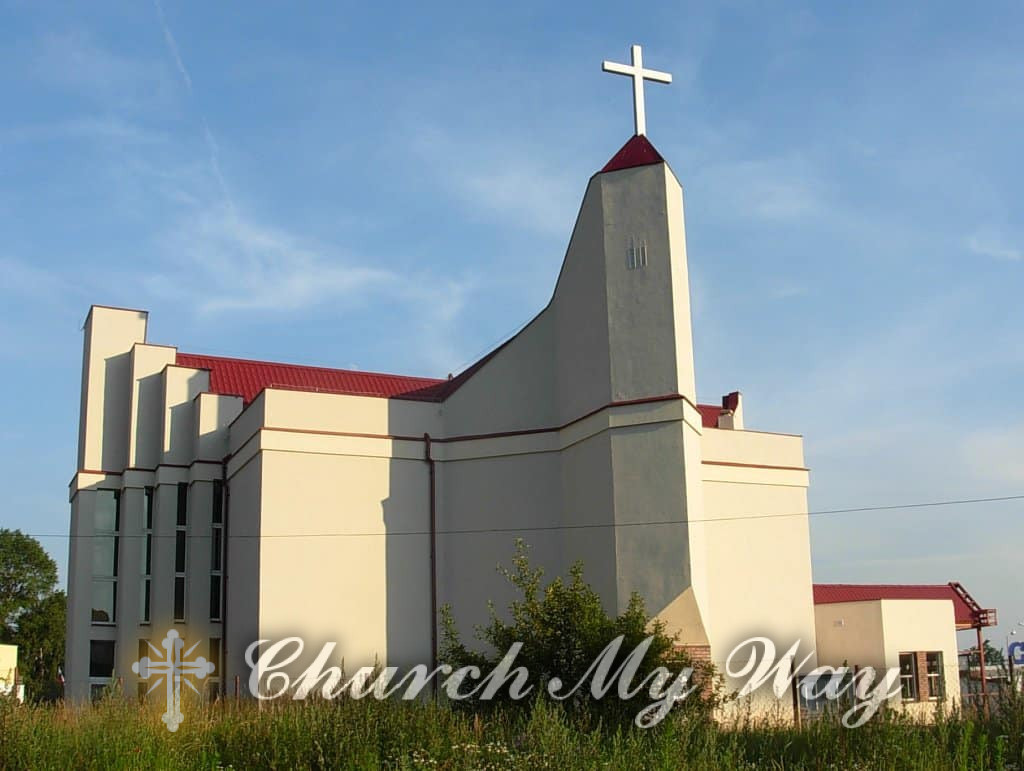
What is a Pentecostal Church? A Comprehensive Exploration
A Pentecostal church represents a distinct and dynamic stream within the broader Protestant Christian denomination landscape. This distinctiveness is not merely a matter of minor doctrinal differences but constitutes a fundamental shift in theological emphasis and experiential expectation. Its core, defining belief centers on the personal and communal experience of the baptism of the Holy Spirit. This baptism is not merely a symbolic ritual but is understood as a profound, tangible religious experience that supernaturally empowers believers for Christian service and witness. It is viewed as a definitive encounter, separate from the initial moment of salvation, that inaugurates a new level of spiritual vitality and capability.
Fundamentally, Pentecostalism is a movement that prioritizes and emphasizes the active, present-day role of the Holy Spirit in the life of the believer and the church. This emphasis stands as the movement’s theological heartbeat, influencing every aspect of its identity. This active role is not confined to a historical record or a theological concept but is sought as a daily, living reality. The movement asserts that the supernatural elements described in the early church’s history are not relics of the past but are essential, operational truths for the contemporary believer. This emphasis manifests most visibly in practices such as speaking in tongues, the operation of prophetic gifts, and faith healing, all of which are seen as direct evidences of the Spirit’s work and ongoing activity within the gathered community.
For members of a Pentecostal church, conversion to Christianity is the essential first step, but it initiates a journey toward a deeper spiritual reality. This conversion is believed to always result in a significant inner transformation, fundamentally shifting a person’s reliance from their own power or innate abilities to living by God’s power. This transformed life is sustained and animated by the Holy Spirit’s presence, which provides guidance, comfort, and strength. The Christian walk, therefore, is not a passive adherence to doctrine but an active partnership with divine power, where the believer’s human efforts are synergized with supernatural enablement.
Perhaps the most identifiable and distinctive aspect of Pentecostal worship is the practice of “speaking in tongues,” or glossolalia. This phenomenon typically occurs during vibrant, emotionally expressive worship services and can serve multiple spiritual purposes within the congregation’s understanding. The practice itself creates a unique auditory and spiritual atmosphere, one that seeks to bridge the gap between human expression and divine communication. It is a hallmark of the Pentecostal pursuit of a direct, unmediated experience of God’s presence, breaking conventional boundaries of prayer and praise.
For some, speaking in tongues is understood as a form of interpretation, where the speaker believes they are conveying a message from God in a language unknown to them, requiring interpretation by another gifted individual. This function mirrors the descriptions found in the New Testament book of Acts and Pauline epistles, where such messages are given for the edification, exhortation, or consolation of the entire church body. It is a collective experience, intended to build up the community through a divinely inspired utterance that is then made intelligible to all.
For others, it functions primarily as a profound, intimate form of praise and prayer, where the speaker believes they are communicating directly with God in a spiritual language, bypassing the limitations of human speech. In this understanding, glossolalia is a private devotional language, a means of expressing depths of worship, supplication, or spiritual longing that words in one’s native tongue cannot fully capture. This personal application is seen as a gift that strengthens the individual’s spirit and deepens their personal connection with the divine.
This practice, among others like prophetic utterances and prayers for healing, creates a unique worship environment that seeks to recapture the fervor and supernatural atmosphere described in the New Testament book of Acts. The goal is not theatricality but authenticity—a sincere attempt to replicate the spiritual dynamics and powerful demonstrations believed to have been normative for the first-century church. The worship service itself becomes a space of expectation, where the miraculous is anticipated and the immediate presence of the Holy Spirit is actively invited and welcomed.
The History and Origins of Pentecostalism

The history of pentecostalism is deeply rooted in the belief that the modern Church must explicitly experience and manifest what was experienced during the biblical event of Pentecost, namely receiving “the baptism of the Holy Spirit” with accompanying signs. This foundational belief acts as both a theological anchor and a missional imperative, driving the movement’s self-understanding. The narrative from the New Testament book of Acts is not read as a closed historical account but as an open-ended blueprint, establishing a pattern for how the community of believers should function in every age, including the present day.
While this theological desire has ancient echoes, the organized modern movement is thought to have concretely started in the early 20th century. Its ignition is inextricably linked to the teachings and persistent prophecy of a humble preacher named William J. Seymour. His leadership helped ignite a global fire of charismatic worship and fervent prayer that has continued burning for over 100 years, defying many expectations and evolving into a major force in global Christianity. The movement’s birth was characterized by a powerful sense of restoration—the idea that God was restoring to the church the spiritual power and gifts that had been lost or neglected through centuries of institutionalization.
William J. Seymour faced significant criticism and opposition from established religious groups of his time for his radical teachings and the unconventional nature of the revival he led. This criticism centered on the emotional expressions, the prominence of African American leadership, and the claim of ongoing miraculous gifts. Detractors argued that such manifestations were disruptive, unscriptural, or even demonic, challenging the decorum and established theological frameworks of mainstream Protestant groups. The very practices that defined the Pentecostal experience—the vocal expressions, the physical demonstrations of faith, and the claim of immediate spiritual encounters—became points of contention and separation.
Despite this pressure, he continued to steadfastly lead and teach, fostering an environment where the experiences of the baptism of the Holy Spirit, speaking in tongues, and other charismatic gifts were not only allowed but earnestly sought. This perseverance in the face of rejection was fueled by the conviction that they were participating in a pivotal work of God, a latter-day outpouring of the Spirit as prophesied in scripture. The opposition, rather than extinguishing the movement, often served to solidify the identity of its adherents, who saw themselves as part of a faithful remnant reclaiming a full New Testament Christianity. This early resistance shaped a resilient and evangelistically fervent character that would fuel the movement’s rapid expansion across cultural and national boundaries.
Advanced Secrets: The Post-Prayer Integration Protocol
One of the most effective “insider” tips for sustaining spiritual empowerment after a Pentecostal worship service is structured journaling of spiritual impressions and physical manifestations. To do this, you must immediately after the service, document the specific sequence of spiritual phenomena you experienced (e.g., prayer language utterance, prophetic word, physical sensation), then cross-reference these experiences with scripture and note any actionable instructions or confirmations received. This is essential because it transforms a subjective emotional high into an objective, trackable spiritual ledger for discernment and growth. Additionally, if you categorize entries by type (Guidance, Encouragement, Correction, Empowerment), you can save time and achieve clarity on the Holy Spirit’s operational patterns in your life much faster!
The Technical Breakdown: Pentecostal Spiritual Phenomena Reference Guide
Understanding the mechanics of core Pentecostal experiences requires moving beyond abstract definitions. The table below breaks down the doctrinal category, the typical congregational or personal action that precipitates the experience, and the expected or described result/output.
| Phenomenon Category | Action/Input (Congregational/Personal) | Result/Output (Theological & Experiential) |
|---|---|---|
| Baptism in the Holy Spirit | Fervent, expectant prayer (often with laying on of hands) post-conversion, seeking a definitive enduement of power. | Initial physical evidence of speaking in tongues (glossolalia), followed by increased boldness in witness and enhanced prayer life. |
| Operation of Spiritual Gifts (Charismata) | Yielding to spontaneous spiritual impulses during worship; congregational openness and discernment. | Manifestation of specific gifts (e.g., prophecy, word of knowledge, healing). Output must be judged against Scripture (1 Cor. 14:29) for edification. |
| Divine Healing | Specific, authoritative prayer of faith in Jesus’ name, often accompanied by anointing with oil. | Range from immediate and verifiable physical restoration to a progressive strengthening or a grace to endure, all viewed as God’s sovereign response. |
*Note: A common mistake is pursuing the *experience* of the phenomena more than the *Person* of the Holy Spirit. This can lead to emotionalism, manipulation, or burnout. The technical actions are a framework for receptivity, not a formula to control divine encounter.
Closing Thoughts: Mastering the Mechanics of Encounter
This technical breakdown demystifies the dynamic practices of Pentecostalism, revealing a structured theology of experience. By applying these advanced, actionable insights, you move from being a passive observer to an engaged participant in the spiritual ecosystem of the church. Integrate these protocols to build a sustainable, discernible, and powerful walk that aligns with the core Pentecostal emphasis on the active, present-day work of the Holy Spirit.
📅 Last updated: 18.12.2025
❓ Frequently Asked Questions
💬 What is a Pentecostal church?
A Pentecostal church is a Protestant Christian denomination that believes in the baptism of the Holy Spirit. This experience empowers believers for service and is characterized by practices like speaking in tongues, prophesying, and faith healing.
💬 What do Pentecostals believe?
Pentecostals believe
This post is also available in:
 Español (Spanish)
